Why Practicing Transitions Matters More Than You'd Think for a First Triathlon
Quick Answer: First-time triathletes commonly lose 3-5 minutes in transitions from fumbling with gear, compared to 1-2 minutes for practiced athletes — that’s often more time than months of extra swim training would realistically save.
Most first-timer training plans focus almost entirely on the three disciplines and treat transitions as an afterthought. The math suggests that’s backward.
Where the Time Actually Goes in a Messy Transition
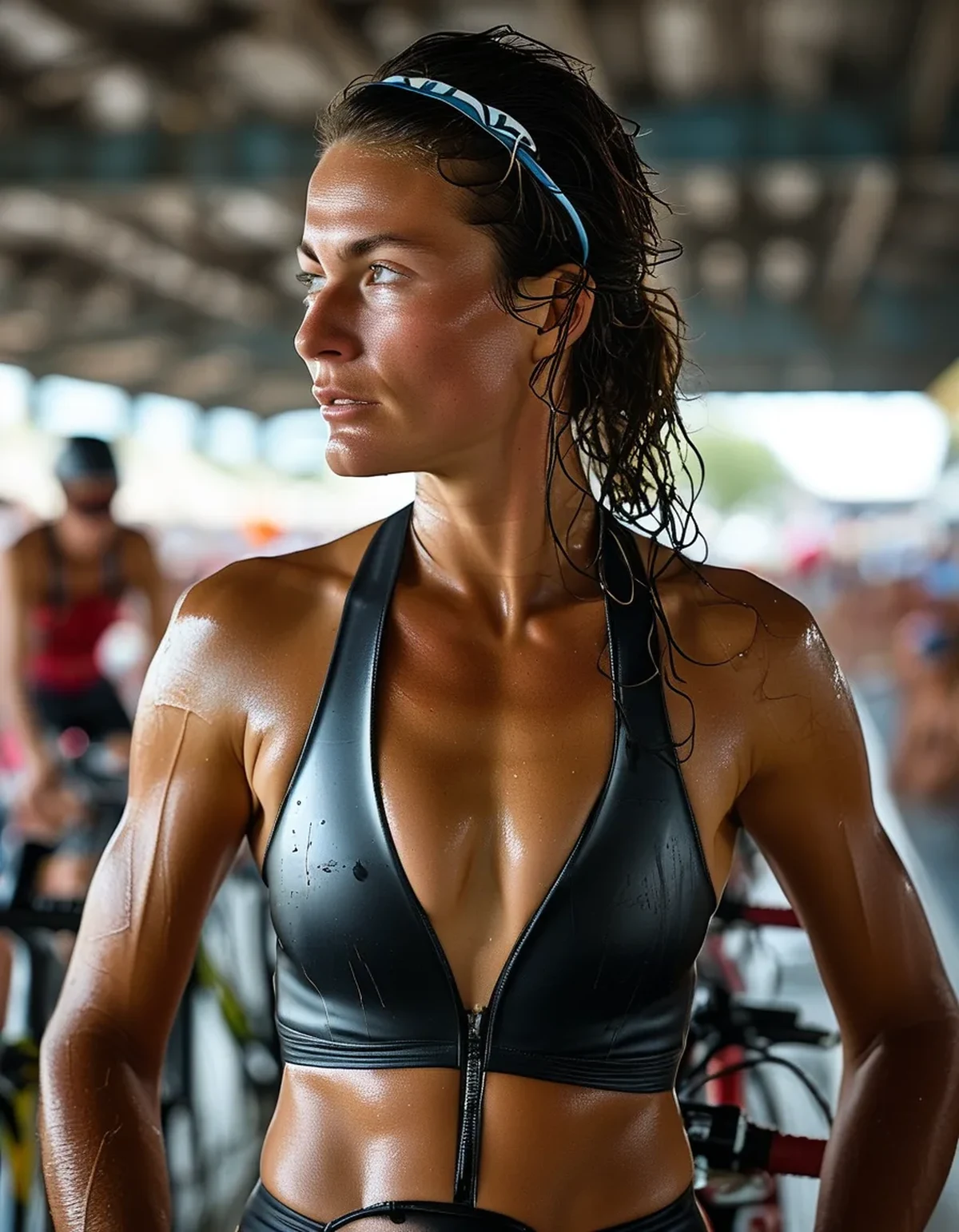
Fumbling with a wetsuit zipper, struggling to get a snug sports bra or top on with wet skin, and disorganized gear layout are the most common sources of lost transition time. Each of these individually costs 30-90 seconds, and they compound — a genuinely disorganized transition can easily cost 4-5 minutes across both transition zones combined.
The Skill Gap Between Swim Fitness and Transition Efficiency
Improving swim pace enough to save 3-5 minutes over a sprint or Olympic distance swim leg typically requires months of dedicated swim training and meaningful fitness gains. Achieving the same time savings through transition practice takes a few practice sessions, making it one of the highest-return activities in first-triathlon preparation.
A Simple Transition Practice Routine
Set up your actual gear exactly as you plan to on race day, and practice the full swim-to-bike and bike-to-run sequence at home or before a training session, timing yourself. Repeat this 3-4 times over the weeks before the race, refining gear layout and clothing choices based on what actually slows you down.

What Nobody Tells You About Race-Day Nerves
Nervous adrenaline on race morning often makes fine motor tasks (small zipper pulls, tight shoelaces) noticeably harder than they feel in calm practice conditions. Practicing transitions specifically under some simulated time pressure or right after a hard training session gets you closer to race-day reality than a fully relaxed home run-through.
Myth vs Fact: Triathlon Transitions
Myth: Transitions are a minor detail compared to the actual disciplines. Fact: for many first-timers, transition time differences are large enough to shift overall finishing position more than a modest pace improvement in any single discipline. Myth: Elastic laces and slip-on gear are only for elite racers. Fact: these small equipment choices meaningfully help first-timers too, and are inexpensive, low-effort upgrades.
FAQ: Triathlon Transition Questions, Answered
What gear actually speeds up transitions the most?
Elastic ‘no-tie’ laces for running shoes and a well-practiced wetsuit removal technique are two of the highest-impact, lowest-cost changes for most first-timers.
Should I lay out my gear differently than more experienced racers?
A simple, consistent layout you’ve practiced matters more than mimicking an elite racer’s specific setup — familiarity beats optimization for a first race.
How much time should a well-practiced transition actually take?
For a sprint distance race, a practiced transition typically runs 60-90 seconds per transition zone, compared to 3-5 minutes for an unpracticed first attempt.
TL;DR:
- Unpracticed transitions commonly cost first-timers 3-5 extra minutes total
- Transition practice delivers time savings much faster than equivalent swim training
- Practice the full gear layout and sequence 3-4 times before race day
- Simulate some time pressure in practice to prepare for race-day adrenaline
For a first triathlon, a few focused transition practice sessions are arguably the single highest-return use of remaining training time before race day.
Keep Reading
This article is for general informational and styling purposes only. Fit, sizing, and product availability may vary.