Why Your Transition Times Matter More to Your First Triathlon Result Than Your Swim Split Does
Quick Answer: For most first-time triathletes, transitions (T1 and T2 combined) can easily account for 3-5 minutes of total race time, often more time than the difference between a good and mediocre swim split — and unlike swim technique or running fitness, transition speed improves almost entirely through practice and organization rather than fitness gains, making it the highest-return area to focus on before a first race.
Swim technique takes months to meaningfully improve. A well-practiced transition can save minutes with a single practice session — that asymmetry is worth paying attention to.

Why do transitions take so much longer for first-time triathletes specifically?
First-time triathletes typically haven’t rehearsed the physical sequence of exiting one discipline’s gear and entering the next — fumbling with a wetsuit zipper, searching for gear, or struggling to put on socks with wet feet all add up quickly when done for the first time under race adrenaline.
Experienced triathletes have often rehearsed this sequence dozens of times, turning what feels chaotic and slow for a beginner into a smooth, nearly automatic routine that takes a fraction of the time.
Is there a specific technique that saves the most time in T1 (swim to bike)?
Practicing wetsuit removal specifically tends to save the most time, since a wetsuit stuck at the ankles or ripped awkwardly under panic is one of the most common beginner time sinks — body-glide or a specific lubricant applied to ankles and wrists before the swim, plus practicing the removal motion beforehand, meaningfully speeds this up.
Laying out gear in the exact order it will be used (rather than however it happens to be packed) also reduces fumbling and searching time significantly.
The Transition Practice Priority Most Beginners Skip
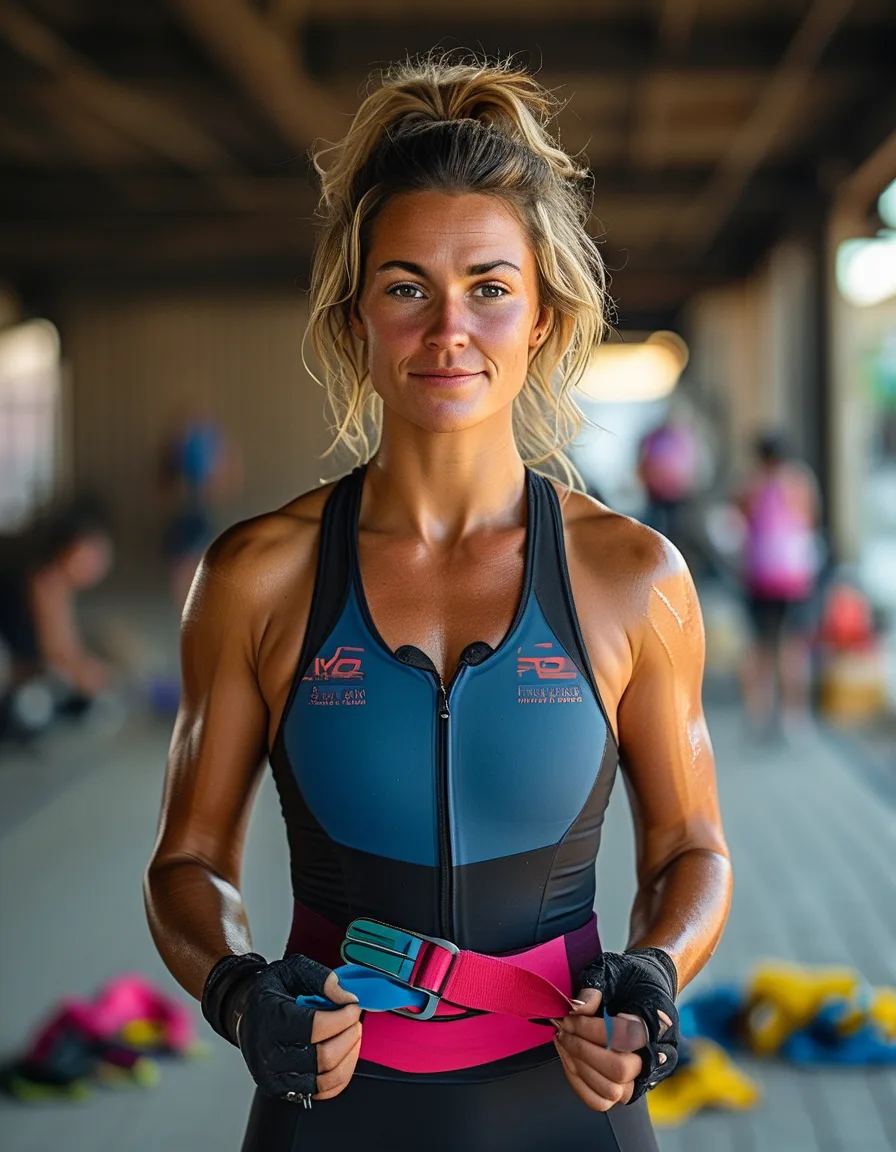
Most triathlon training plans focus heavily on swim, bike, and run fitness but include little to no dedicated transition practice, even though transitions are the one component that improves almost entirely from rehearsal rather than fitness.
A single practice session — setting up a mock transition area at home and running through the full T1 and T2 sequence a few times — often produces a bigger time improvement than weeks of additional swim or run training, purely because most beginners have never actually rehearsed the sequence even once before race day.
Does transition speed actually matter for someone who isn’t racing competitively?
Even for non-competitive first-timers, smoother transitions reduce race-day stress and confusion significantly, beyond just the time saved — fumbling with gear under adrenaline can be genuinely disorienting for a first race, and a rehearsed, calm transition routine makes the whole experience feel more controlled regardless of finishing time goals.
So the benefit isn’t purely about shaving minutes — it directly affects how manageable the race day experience feels.
FAQ: Triathlon Transition Questions, Answered
How much time can a well-practiced transition realistically save compared to an unpracticed one?
Many beginners report cutting 1-3 minutes combined off T1 and T2 with just one or two practice run-throughs beforehand.
Is it worth attending a formal transition clinic before a first race?
If available locally, yes — hands-on coaching on wetsuit removal and gear layout specifically addresses the most common beginner time sinks.
Should transition practice happen close to race day or well in advance?
A practice session in the final 1-2 weeks before the race, after gear is finalized, tends to be most useful since it reflects exactly what will be used on race day.
TL;DR:
- Transitions can account for 3-5 minutes of race time for first-timers, often more than swim split variance
- Wetsuit removal practice and pre-ordered gear layout are the highest-impact T1 improvements
- Most training plans skip transition rehearsal even though it improves fastest, purely from practice
- Smoother transitions also reduce race-day stress, independent of finishing time goals
Before logging another swim session, a single dedicated transition practice run may be the fastest time improvement available before a first race.
Keep Reading
This article is for general informational and styling purposes only. Fit, sizing, and product availability may vary.