Open Water Swim Anxiety Before a Triathlon: What Actually Helps
Quick Answer: Open water anxiety drops fastest through repeated, low-pressure open water practice sessions (not just pool swimming) combined with sighting drills and a pre-planned response for the panic moment — most anxiety comes from unfamiliarity and lack of visual reference, both of which are trainable.
You can swim a smooth 1000 meters in the pool and still panic 200 meters into open water. That gap is normal, and it’s fixable with the right practice, not just more pool laps.
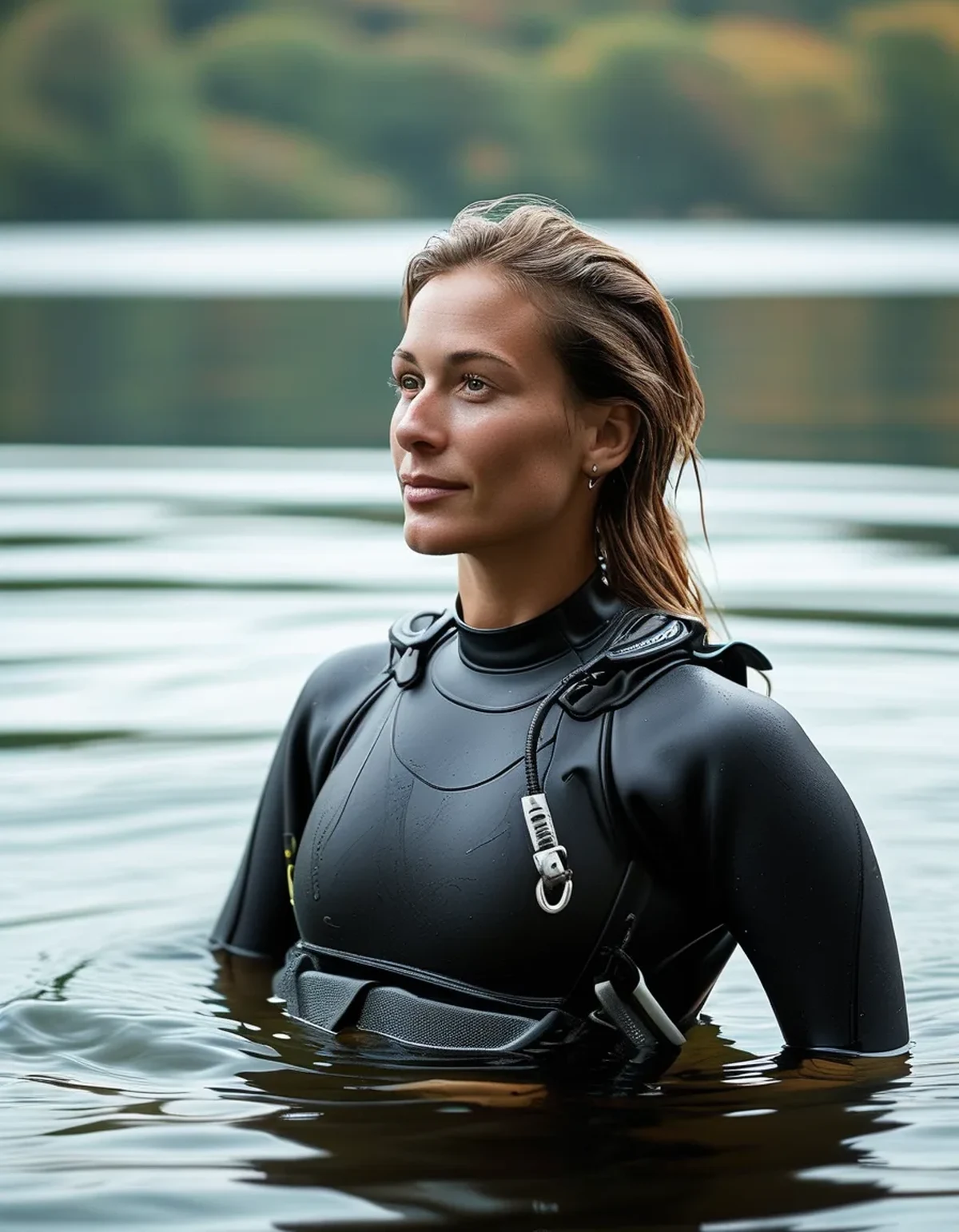
Why does open water feel so different from the pool?
No lane lines, no visible bottom, no wall to grab, and other swimmers around you instead of a clear lane — your brain loses its usual reference points, and that loss of visual and spatial certainty is what triggers panic, not a lack of swimming fitness.
What actually reduces open water anxiety over time?
Repeated exposure in low-pressure conditions — a calm morning at a lake with a friend, not your first open water experience being race day. Each session in open water, even a short one, builds tolerance the pool cannot replicate.
Aim for at least 4-6 open water sessions before race day if your race includes an open water swim leg. This is the single highest-leverage preparation step for anxiety specifically.
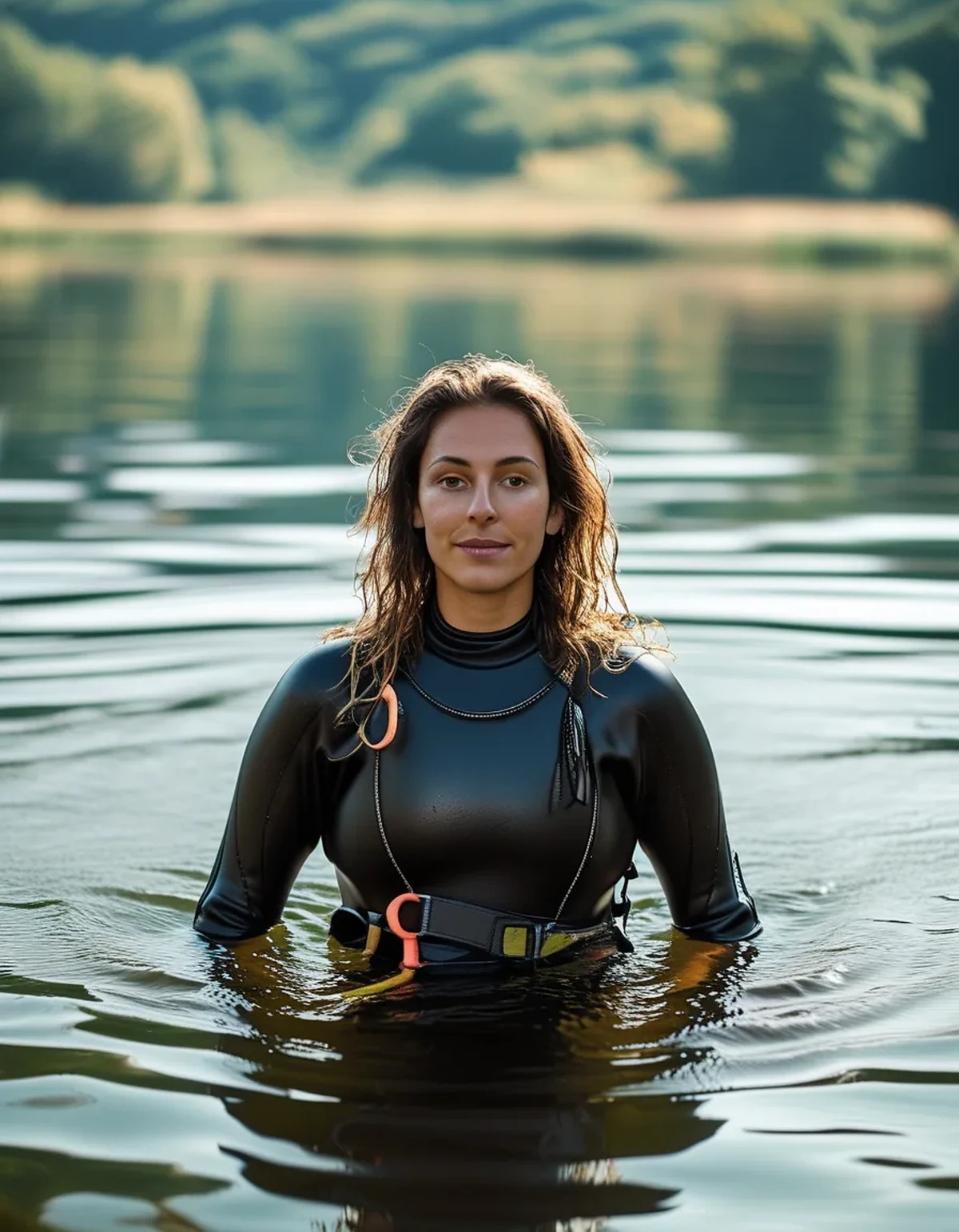
What’s a sighting drill and why does it help with anxiety?
Sighting is lifting your head briefly to spot a landmark or buoy while swimming, without stopping your stroke. Practicing this removes the disorientation that often triggers panic — swimmers who don’t know where they are relative to the course tend to panic faster than swimmers with a clear sense of direction, even in identical conditions.
What Nobody Tells You About Race-Day Panic
Even experienced triathletes get a spike of anxiety in the first 200-300 meters of a mass open water start — the washing-machine effect of many swimmers close together is disorienting regardless of experience level.
The fix that works for most people: have a pre-planned response ready before you need it. Roll onto your back, tread water, take 5 slow breaths, then resume. Deciding this in advance means you’re executing a plan instead of making a panicked decision mid-swim, which is a completely different mental experience.
FAQ: Open Water Swim Anxiety Questions, Answered
Does a wetsuit help with anxiety, not just speed?
Yes, meaningfully — the added buoyancy means treading water or floating on your back takes far less effort, which makes the ‘roll onto your back and breathe’ panic response much easier to execute.
Should I start at the back of the swim start to avoid the crowd?
For a first open water race, yes — starting at the back or side of the pack avoids the most crowded, contact-heavy water and gives you more room to find your rhythm.
Is it normal to still feel some anxiety even after lots of practice?
Completely normal — most experienced open water swimmers report some pre-race nerves indefinitely. The goal of practice isn’t zero anxiety, it’s having tools that keep manageable anxiety from becoming panic.
TL;DR:
- Open water anxiety comes from lost visual reference points, not a swimming fitness gap
- 4-6 open water practice sessions before race day is the highest-leverage prep step
- Sighting drills reduce disorientation, which is a major panic trigger
- Pre-plan your panic response (roll, tread, 5 breaths) so you’re executing a plan, not deciding mid-swim
Keep Reading
This article is for general informational and styling purposes only. Fit, sizing, and product availability may vary.