Why You Get Dizzy Standing Up Out of the Swim — and How to Fix It
Quick Answer: Swim exit dizziness is mostly a blood pressure problem plus an inner ear problem happening at the same time. Horizontal swimming in cool water keeps blood pooled in your chest; standing up suddenly drops pressure to your head, while water in your ears and the switch from a rolling horizontal world to a vertical one confuses your balance system. The fix is to start kicking harder in the last 100 meters and to stand up in stages, not all at once.
You had a good swim. Then you stood up in the shallows and the beach did a slow lazy tilt, and you staggered like you had been at the pub, in front of everyone.
It is not a fitness problem and it is not just you — it happens to experienced athletes constantly. The good news is that it responds well to two specific changes, covered in the third section.
What actually causes the dizziness at swim exit?
Three mechanisms stack on top of each other, which is why it feels so disproportionate.
Blood redistribution. When you are horizontal in water, hydrostatic pressure pushes blood from your legs toward your chest — the same reason you need to pee twenty minutes into a swim. Your body responds by reducing blood volume slightly, treating the extra central volume as excess. Then you stand up, gravity returns, blood drops into your legs, and for a few seconds there is less pressure available to your brain. That is orthostatic hypotension, and it is the main event.
Vestibular confusion. Your inner ear reports head position relative to gravity. For twenty to forty minutes it has been reporting a horizontal, rolling, rhythmically rotating world. Standing up flips the reference frame instantly. Add cool water sitting in one or both ear canals — which can trigger a caloric response, the same effect used deliberately in clinical vestibular testing — and your balance system is genuinely getting bad data.
Wetsuit compression release. A wetsuit squeezes your torso and legs, which helps venous return. Standing up while still zipped and then peeling it down changes that compression quickly, and the pressure drop compounds the first mechanism.
Add the fact that your legs have done relatively little for twenty minutes and are being asked to run immediately, and the wobble makes complete sense.
Why is it worse in some races than others?
The pattern is predictable once you know what drives it.
Colder water makes it worse. Cold causes peripheral vasoconstriction, pushing even more blood centrally, so the drop when you stand is bigger. Cold water in the ears also produces a stronger caloric vestibular response.
Longer swims make it worse. More time horizontal means more of that blood volume adjustment has taken place.
A deep-water start with a beach exit is the classic setup. You swim right up to shallow water and stand suddenly in knee-deep chop, which is the most abrupt version of the transition possible.
Steep beach exits are worse than gradual ones. A gradual shelf lets you wade for several seconds; a steep one puts you upright immediately.
Dehydration and race-morning under-drinking make it worse, because lower blood volume means less reserve when pressure drops. Ironically, so does over-heating in a wetsuit on a warm day.
Ear canal shape matters more than people expect. If you routinely get water trapped in one ear, you will feel more lopsided at exit. Swimmers with narrow canals or a history of ear issues report this far more often.
It is usually worse in your first few open water races and improves with exposure, which is why practicing the exit is genuinely trainable rather than just something to endure.
How do you actually fix it? The last 100 meters plan
Two changes do most of the work, and both happen before you stand up.
1. Increase your kick for the final 100 to 150 meters. This is the single highest-value fix. Harder kicking drives blood back out of your chest into your legs and wakes up the leg muscles that are about to be asked to run. It also raises your heart rate slightly ahead of the transition, so the cardiovascular adjustment starts before you are vertical. Aim for a noticeably stronger six-beat kick — not a sprint, but a clear increase.
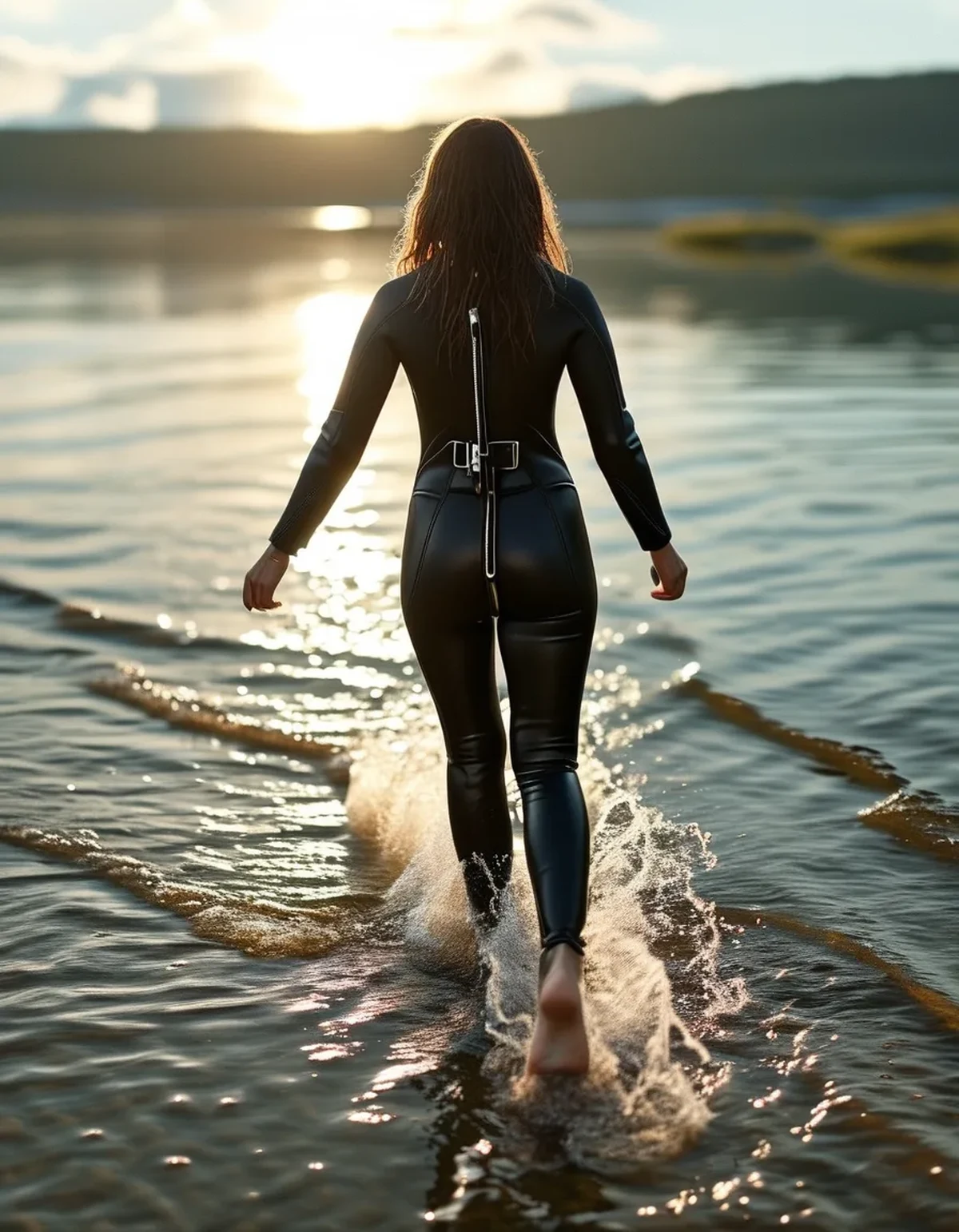
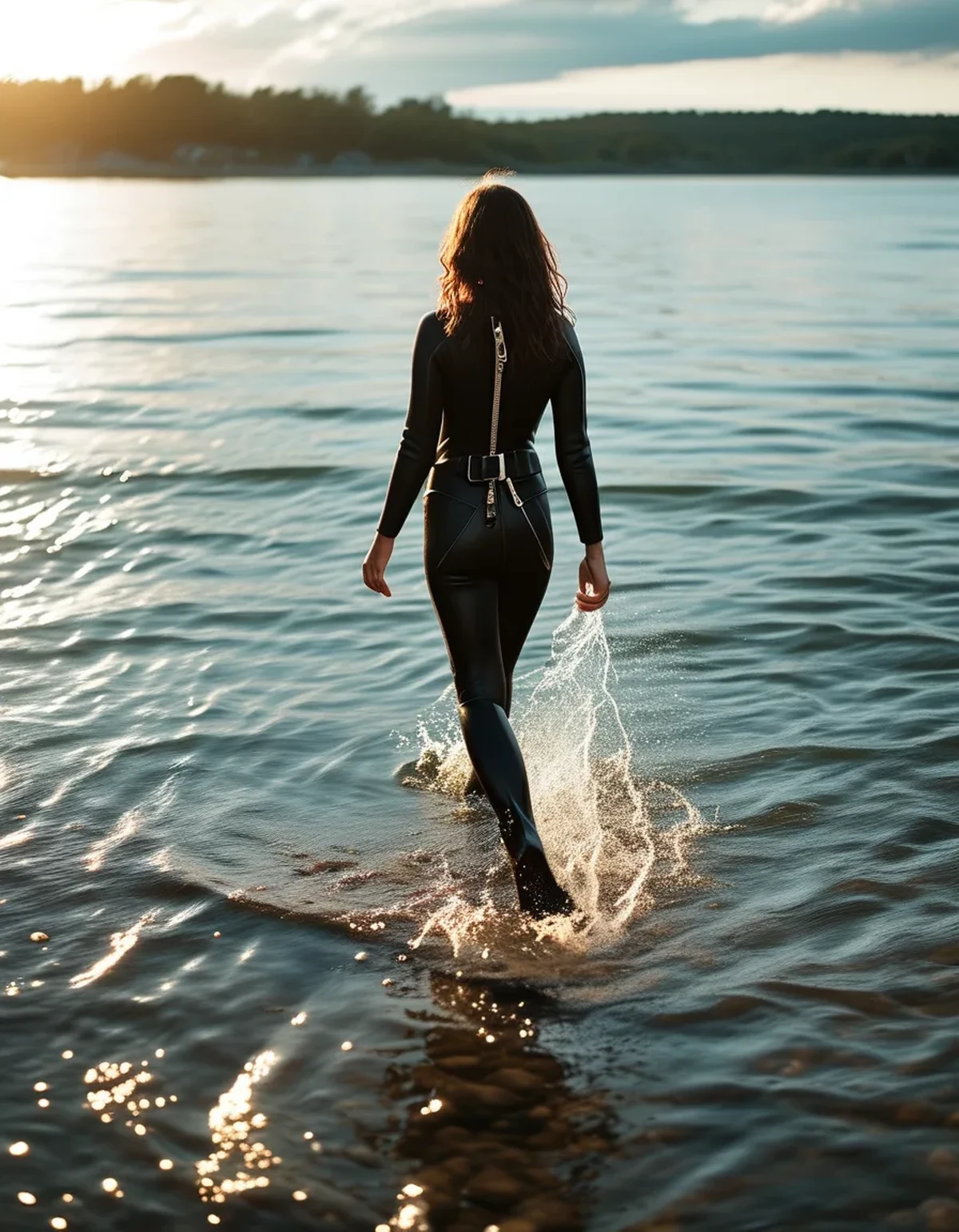
2. Stand up in stages. Do not go from swimming to fully upright. Swim until your hand touches the bottom, then move to a crawl or a hands-and-knees position for two or three strokes, then to a crouch, then stand. Even two or three seconds spent in intermediate positions gives your baroreceptors time to respond. Wade rather than sprint out of the water.
3. Look at the horizon, not your feet. Fixing your gaze on a stable distant point gives your visual system something to override the confused vestibular input with. Looking down at churning water is the worst possible visual input at that exact moment.
4. Unzip while walking, not while standing still. Get the wetsuit down to your waist during the first thirty meters of the run rather than stopping to do it. Movement helps the blood pressure adjustment.
5. Practice it. Do three swim exits in training at race effort. Your body adapts to this transition with exposure, and the third one is almost always steadier than the first.
What Nobody Tells You About the First Minute of T1
Your run pace out of the water is a terrible guide to how you feel. Almost everyone runs the first thirty meters of T1 far too hard, driven by adrenaline and the sense of having been slow in the water. That surge on legs that have not been vertical for half an hour is precisely when the dizziness peaks. Deliberately jog the first twenty meters.
The nausea is normal too. Swallowed water, exertion, and the pressure shift add up. It usually settles within two minutes on the bike.
Goggles and cap come off after you are moving, not at the water’s edge. Standing still fiddling with goggles is standing still at the worst moment.
If you black out at the edges of your vision, crouch immediately. Do not push through it. Going down to a knee for five seconds costs you nothing and prevents a genuinely dangerous fall on wet rocks. Race volunteers see this constantly and will not be surprised.
And if the dizziness lasts more than a couple of minutes, is one-sided, comes with hearing changes, or recurs outside of racing, get it looked at — persistent vertigo after swimming can be an inner ear issue that has a specific treatment. This is general information, not medical advice.
FAQ: Swim Exit Questions, Answered
Do earplugs help with swim exit dizziness?
Often yes, especially in cold water. Keeping cold water out of the ear canal removes the caloric vestibular trigger, which is a large part of the effect for some athletes. Try them in training first — some swimmers find they affect their sense of direction or their ability to hear race instructions, so it is a personal trade.
Should I drink something in T1?
A few sips are fine and often helpful, especially if the water was warm and you sweated in the wetsuit. The bigger hydration decision was made the day before and the morning of the race. Arriving well hydrated gives you more blood volume to work with, which directly reduces the pressure drop.
Will this get better with experience?
Yes, noticeably. Repeated exposure to the horizontal-to-vertical transition improves the speed of the cardiovascular and vestibular adjustment, which is why practicing exits in training pays off so quickly. Most athletes find that by their third or fourth open water race it is a mild wobble rather than a stagger.
TL;DR:
- Swim exit dizziness is a blood pressure drop plus inner ear confusion, not a fitness failing.
- Cold water, long swims, and steep beach exits all make it worse.
- Kick harder for the final 100 to 150 meters to move blood back into your legs before you stand.
- Stand up in stages — hands down, crouch, then upright — and fix your eyes on the horizon.
- Jog the first twenty meters of T1 instead of sprinting, and unzip while moving.
The reason this one is worth fixing is that it costs almost nothing to fix. Thirty seconds of harder kicking and a slightly more patient exit turns a stagger into a steady jog, and the time you lose being deliberate at the water’s edge you get back twice over by not weaving through the first minute of transition.
Keep Reading
This article is for general informational and styling purposes only. Fit, sizing, and product availability may vary.