Why a Triathlon Wetsuit That Fits Wrong Costs More Energy Than No Wetsuit at All
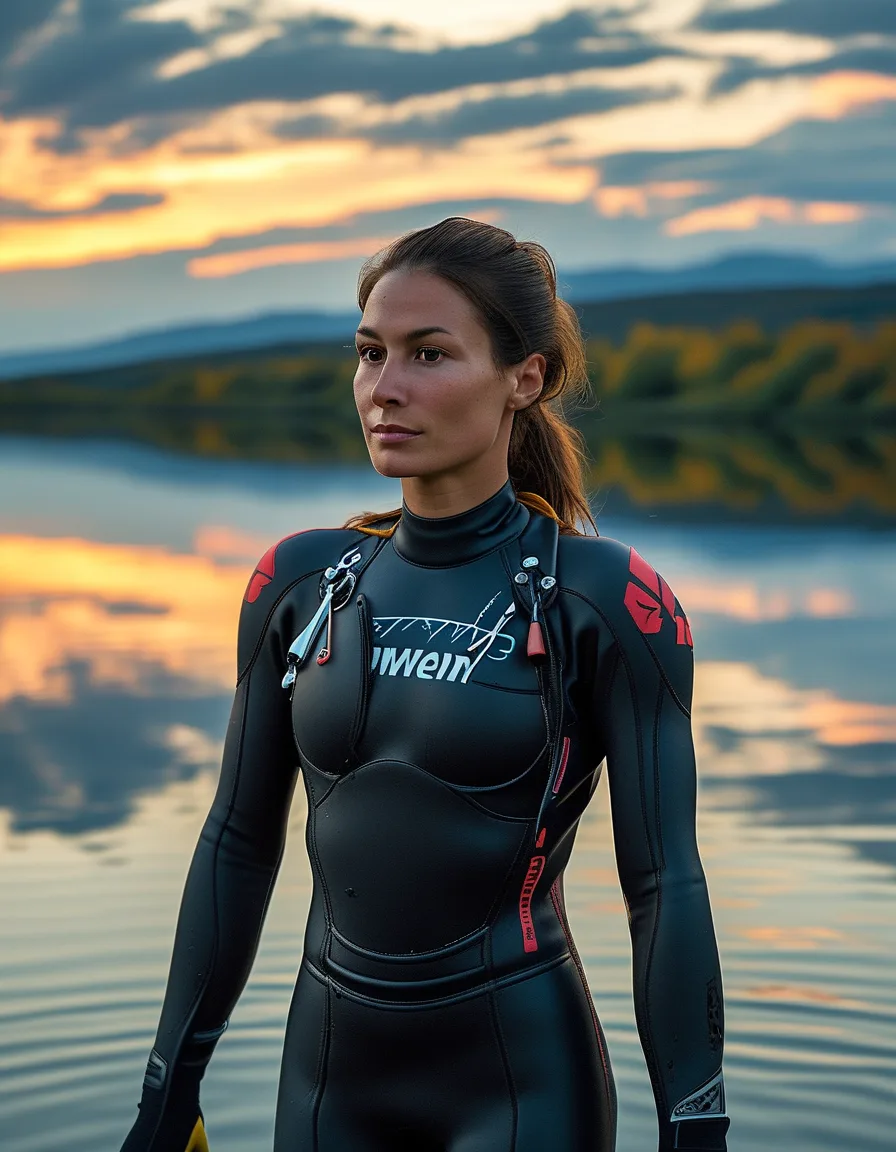
A wetsuit is supposed to make you faster: it adds buoyancy, lifts your hips, and cuts drag. But a suit that fits wrong flips every one of those benefits into a liability, and a surprising number of first-time triathletes swim worse in a bad wetsuit than they would in none. Here is why fit matters so much for a wetsuit specifically, the spots where fit goes wrong, and how to test a suit before race day rather than discovering the problem mid-swim.
A wetsuit is a performance tool, not just warmth
In open water swimming, a wetsuit does two jobs: it keeps you warm and it lifts your body higher in the water so you fight less drag. That lift is the real speed advantage, especially for swimmers whose legs tend to sink. But all of that depends on the suit being snug in the right places and free in others. Too loose and it floods with water, adding weight and drag. Too tight in the wrong spot and it fights your every stroke. The margin between help and hindrance is fit.

Where fit goes wrong
The two danger zones are the shoulders and the neck. A suit that is too tight across the shoulders and chest restricts your arm recovery and forces your muscles to work harder on every single stroke, which is exhausting over a long swim and can even leave you gasping. A neck that is too tight chafes and feels like it is choking you, while one too loose lets cold water pour in. Meanwhile a suit too big overall traps water in the legs and torso, turning your streamlined tool into a heavy, sloshing anchor.
Test it before race day
Never let your first swim in a wetsuit be your race. Get it wet and swim in it, because a wetsuit fits differently dry on land than it does soaked and moving. Pull the material up your arms and legs so it sits high in the crotch and armpits, which frees the shoulders and removes pressure. Do a few hundred meters and check whether your arms feel free and your breathing is easy. If the shoulders fight you, the suit is wrong, and better to learn that in practice than at the start line.
A wetsuit only pays off when it fits, and the wrong one genuinely costs you more than swimming without it. Prioritize free, unrestricted shoulders above everything, make sure the neck seals without choking, and confirm the suit is snug enough not to flood. Then swim in it before you race, wet and moving, pulling the fabric high so it sits right. A well-fitted suit lifts your hips, saves your legs, and makes you faster with less effort. A badly fitted one drains you stroke by stroke, so treat fit as the whole point rather than an afterthought.
Keep Reading
This article is for general informational and styling purposes only. Fit, sizing, and product availability may vary.