Wetsuit or No Wetsuit for Your First Triathlon? How to Actually Decide
Quick Answer: Most triathlon organizations set wetsuit-legal water temperature thresholds around 78°F (wetsuits become optional-but-allowed below this and often mandatory-banned or restricted above it) — below roughly 65-70°F, a wetsuit isn’t just legal but genuinely important for both warmth and the added buoyancy that helps first-time open water swimmers.
Wetsuit decisions get more confusing than they need to be because they involve both a race-rule question (is it legal or does it disqualify you from certain awards) and a practical comfort question (do you actually want the added warmth and buoyancy).
What’s the actual rule structure most triathlons use for wetsuits?
Most sanctioned triathlons follow a tiered system: wetsuits are fully legal and count toward awards below roughly 78°F, become legal but with a time penalty or award ineligibility between about 78-84°F, and are typically banned entirely above 84°F for safety reasons related to overheating. These exact numbers vary slightly by sanctioning body and specific race, so checking your specific race’s athlete guide is the only fully reliable source.
Understanding this tiered structure explains why the same water temperature might mean different things at different races.
Beyond the legal rule, when does a wetsuit genuinely help a first-time triathlete?
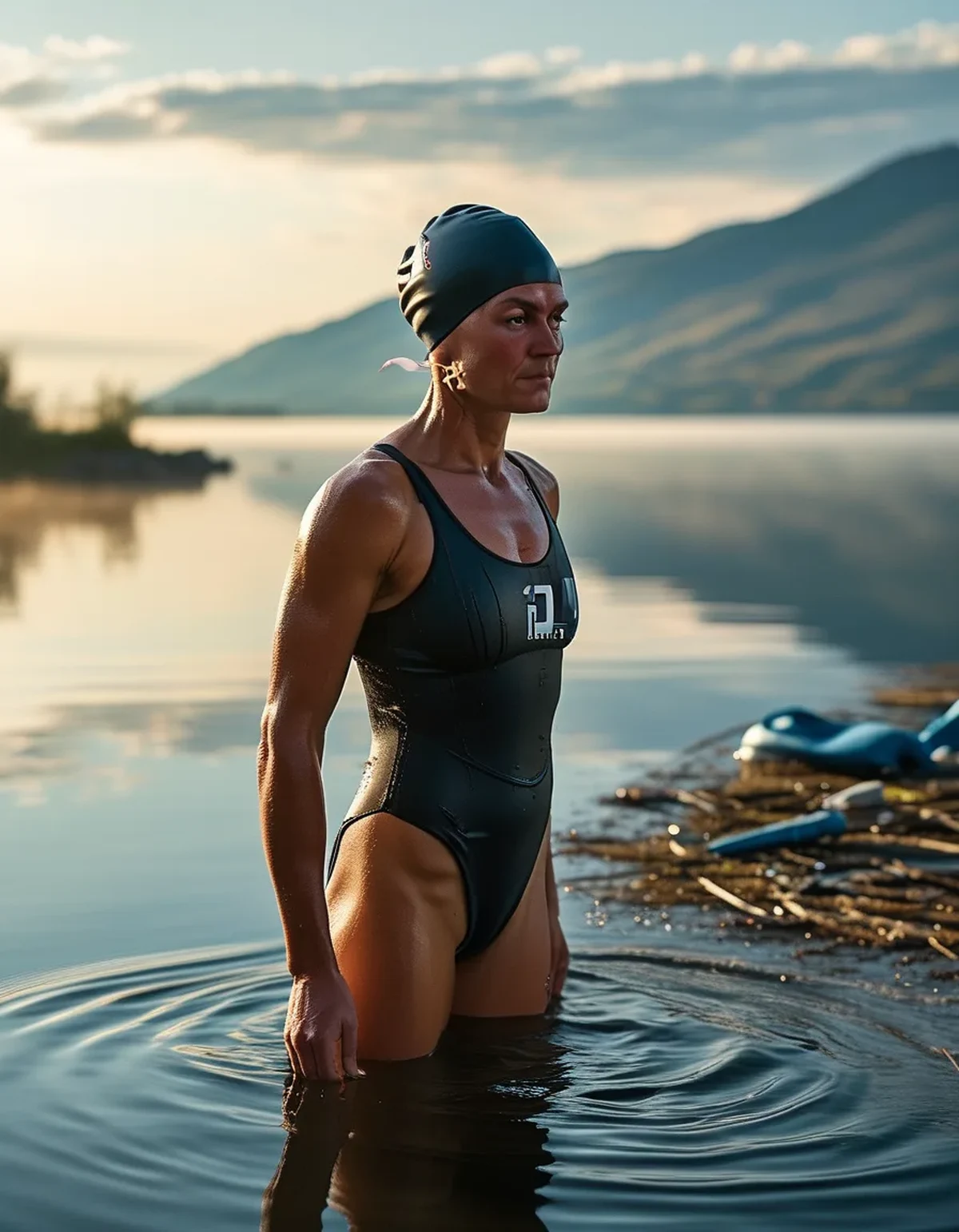
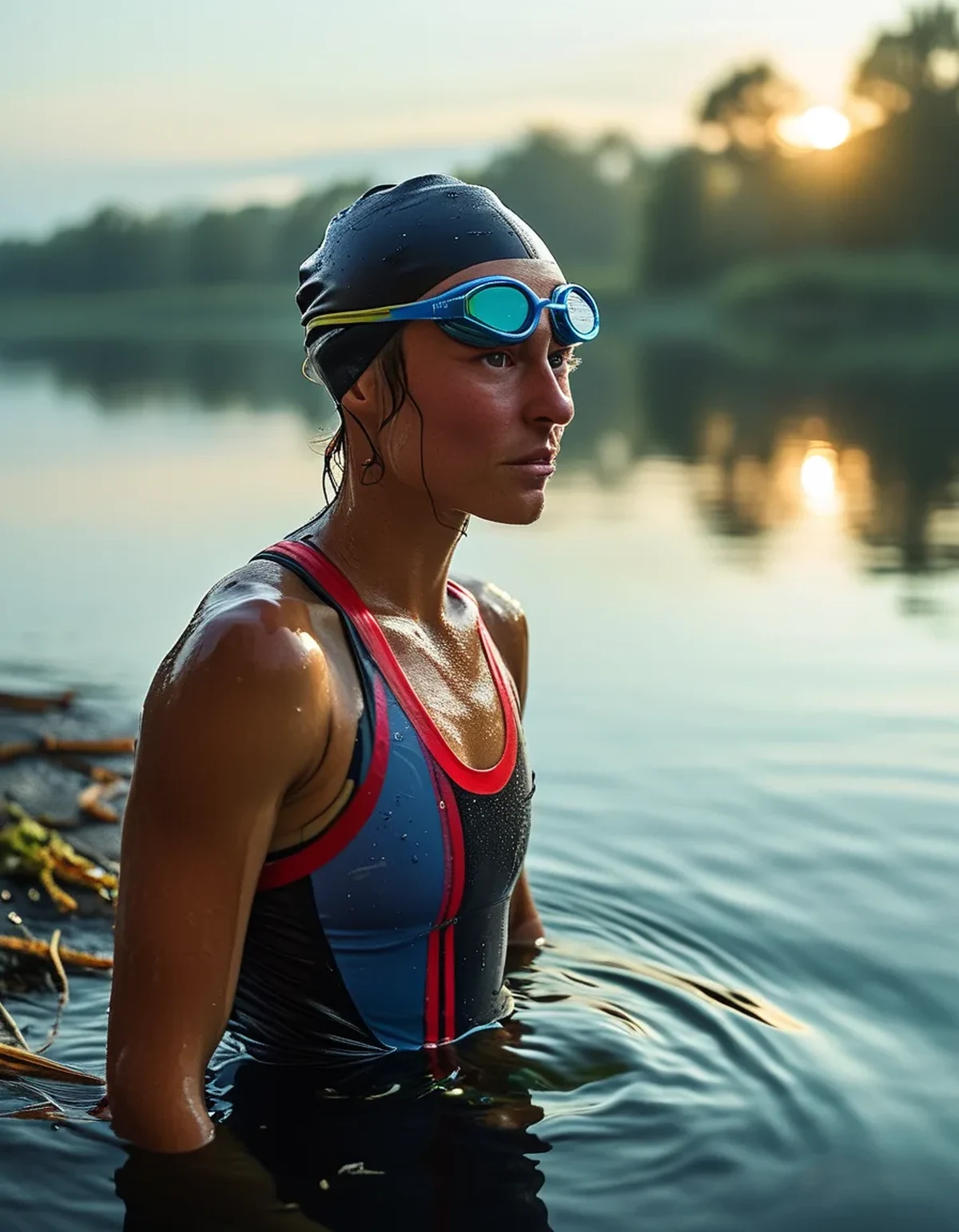
In water below roughly 65-70°F, a wetsuit provides real thermal protection that most first-time open water swimmers underestimate the need for, since cold water exposure can cause a genuine physiological shock response that affects breathing and swimming form. The added buoyancy a wetsuit provides also meaningfully helps swimmers who aren’t yet strong or confident in open water, since it reduces the effort needed to stay horizontal and can lower panic response for anxious swimmers.
This buoyancy benefit is often the more overlooked advantage compared to the more commonly discussed warmth factor.
Myth vs Fact: Triathlon Wetsuits
Myth: A wetsuit is only about staying warm in cold water. Fact: The added buoyancy is often just as significant a benefit for first-time or less confident open water swimmers, independent of temperature.
Myth: If wetsuits are ‘optional’ at a given temperature, there’s no real advantage to wearing one anyway. Fact: Even in the optional range, many swimmers still benefit from the buoyancy and slight speed advantage a wetsuit provides.
Myth: Any full-body wetsuit works fine for triathlon, since it’s the same as one for surfing or diving. Fact: Triathlon-specific wetsuits are designed for a different range of motion and buoyancy distribution than surfing or diving wetsuits, which can restrict swimming stroke mechanics.
What should a first-time triathlete actually do to prepare this decision?
Checking the specific race’s water temperature history and current forecast, not just the general rule thresholds, gives the most accurate picture of what to expect on race day, since temperatures can shift meaningfully close to the event. Renting or borrowing a triathlon-specific wetsuit for at least one open water practice swim before race day matters too, since wetsuit swimming genuinely feels different from swimming without one, and race day shouldn’t be the first time trying it.
This practice swim also helps confirm correct wetsuit fit, which affects both comfort and swimming efficiency significantly.
FAQ: Triathlon Wetsuit Decision Questions, Answered
Do I need to buy a wetsuit for my first triathlon, or is renting reasonable?
Renting is a completely reasonable choice for a first race, especially before knowing if you’ll continue with triathlon regularly enough to justify a purchase.
How much does a wetsuit typically add to swim speed?
Most swimmers see a modest speed improvement from the added buoyancy and reduced drag, though the effect varies by individual swimming technique and fitness level.
What happens if I choose not to wear a wetsuit when it’s legal but optional?
You can still race and finish normally — going without in the optional range is a personal preference choice, not a competitive disadvantage significant enough to matter for most first-time racers.
TL;DR:
- Most races set roughly 78°F as the wetsuit-legal-for-awards threshold, with bans typically above 84°F
- Below 65-70°F, a wetsuit provides genuine thermal protection most first-timers underestimate needing
- The added buoyancy benefit is often as important as warmth, especially for less confident swimmers
- Practicing an open water swim in the wetsuit before race day matters as much as the temperature decision itself
Check your specific race’s water temperature and rules first, then decide based on both the legal threshold and your own comfort in open water.
Keep Reading
This article is for general informational and styling purposes only. Fit, sizing, and product availability may vary.